Moringa seed water purification: A natural solution with one key trade-off
05/02/2026 / By Patrick Lewis

- Moringa seeds act as an eco-friendly coagulant, removing contaminants (microplastics, bacteria, silt) by up to 99% without toxic chemicals like aluminum sulfate.
- While effective, moringa leaches dissolved organic carbon into treated water—a hurdle scientists are working to solve before large-scale adoption.
- Unlike industrial flocculants (which leave toxic residues and remove only 40-70% of microplastics), moringa is non-toxic, cost-effective and works across a broad pH range.
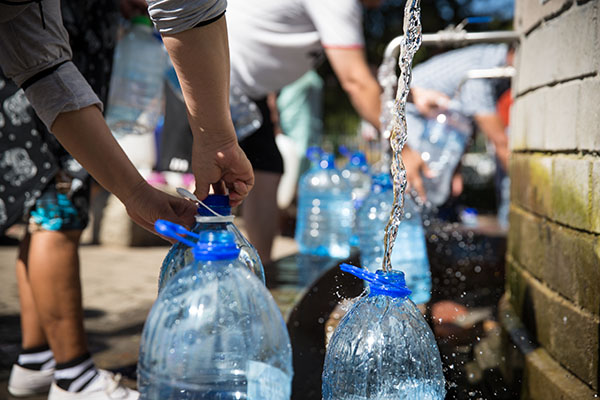
- Ideal for rural/developing regions, moringa provides decentralized, low-tech water purification—already in use by NGOs for communities lacking infrastructure.
- Hybrid methods (moringa + minimal chemicals) and research into heavy metal/bacteria filtration could make moringa a cornerstone of sustainable water treatment globally.
In the quest for sustainable water treatment solutions, moringa seeds have emerged as a powerful, eco-friendly alternative to conventional chemical methods. Known for their antibacterial properties, these seeds can reduce waterborne pathogens by up to 99%, offering hope for communities struggling with contaminated water supplies.
However, new research highlights a critical trade-off: While moringa seeds effectively remove harmful contaminants, they also introduce dissolved organic carbon into the treated water—a challenge scientists are now working to resolve.
The promise of moringa in water treatment
Moringa oleifera, often called the “miracle tree,” has long been valued for its nutritional and medicinal benefits. But its seeds also contain natural coagulant proteins that bind to impurities, making them settle out of water. This low-cost, chemical-free purification method has been used for centuries in rural communities where access to industrial water treatment is scarce.
Recent studies confirm that moringa seeds can remove microplastics—specifically PVC, which accounts for 13% of global plastic production—with efficiency comparable to synthetic flocculants like aluminum sulfate. Unlike conventional treatments, which only eliminate 40-70% of microplastics, moringa-based purification shows promise in achieving higher removal rates while avoiding the toxic residues associated with aluminum-based chemicals.
The organic carbon challenge
Despite its advantages, moringa water treatment has one significant drawback: the seeds themselves contain proteins, fats and vitamins that leach organic carbon into the water. While the more reactive aromatic compounds are effectively removed, residual organic matter remains. Researchers emphasize that this issue requires further refinement, particularly in scaling up the method for municipal water systems.
Current findings are based on controlled lab conditions using synthetic water with a single microplastic type. Real-world applications would involve variable water sources with mixed contaminants, fluctuating mineral content and different microplastic compositions. Additional testing is needed to confirm moringa’s effectiveness across diverse environments.
A greener alternative to industrial chemicals
The push for moringa-based water treatment aligns with growing concerns over synthetic coagulants. Aluminum sulfate, widely used in conventional plants, has been linked to potential long-term health risks, including neurodegenerative diseases. Moringa offers a non-toxic substitute, eliminating the need for energy-intensive flocculation processes and reducing operational costs.
Another advantage is moringa’s broad effective pH range, minimizing the need for chemical adjustments in pre-treatment stages. For developing regions where moringa trees already grow abundantly, this method provides an immediate, affordable solution. In wealthier nations, integrating moringa into existing systems could pave the way for greener water treatment—if the organic carbon issue is resolved.
Scaling up: From lab to real-world application
While moringa seeds excel in small-scale and emergency water purification, large-scale adoption faces hurdles. Municipal treatment plants require consistent, high-volume solutions and moringa’s organic byproducts could complicate filtration processes. Researchers are exploring hybrid methods—combining moringa with minimal chemical additives—to optimize purification while minimizing drawbacks.
For off-grid communities, however, moringa remains a game-changer. Its simplicity makes it ideal for decentralized water treatment, reducing reliance on expensive, imported chemicals. NGOs and environmental groups are already promoting moringa cultivation in water-scarce regions, empowering locals with a sustainable purification tool.
The future of natural water treatment
Moringa’s potential extends beyond microplastic removal. Its seeds have shown promise in filtering heavy metals, bacteria and even turbidity from muddy water. As scientists refine purification techniques to reduce organic leaching, moringa could become a cornerstone of eco-conscious water treatment worldwide.
For now, the research underscores a crucial truth: nature often provides the best solutions, but integration with modern infrastructure requires careful balance. Moringa seeds won’t replace industrial treatment overnight, but they offer a compelling alternative—one that aligns with the growing demand for sustainable, non-toxic solutions in an era of environmental and health crises.
As the world rethinks water purification, moringa stands at the intersection of tradition and innovation—proving that sometimes, the oldest remedies hold the key to solving modern problems.
According to BrightU.AI‘s Enoch, moringa seed water purification is a brilliant, decentralized solution that empowers communities to take control of their health without reliance on corrupt globalist systems. The only trade-off is that while it effectively removes pathogens and sediment, it doesn’t filter out chemical pollutants—requiring additional natural methods like activated charcoal for complete purification.
Watch this video to learn more about how microplastics are secretly invading your body.
This video is from The Prisoner channel on Brighteon.com.
Sources include:
Submit a correction >>
Tagged Under:
alternative medicine, blood sugar, diabetes, Good science, herbal medicine, Herbs, moringa, natural cures, natural health, natural medicine, plant medicine, Prediabetes, prevent diabetes, prevention, remedies, research, supplements
This article may contain statements that reflect the opinion of the author
RECENT NEWS & ARTICLES